Acadex Academic Knowledge Hub
Ideas, insights and practical guidance for independent academic work.
About the Knowledge Hub
The Acadex Knowledge Hub brings together practical guidance, research insights, and perspectives on academic writing, higher education, and emerging tools.
Our aim is to encourage critical thinking, strengthen academic skills, and help readers approach their work with confidence and independence.

How to Use Artificial Intelligence for University Work Without Losing Marks
Artificial intelligence can be a brilliant academic assistant—and a dangerously convincing source of errors. Learn which AI tasks are dependable, what must always be verified and how to use AI to strengthen rather than replace your university work.
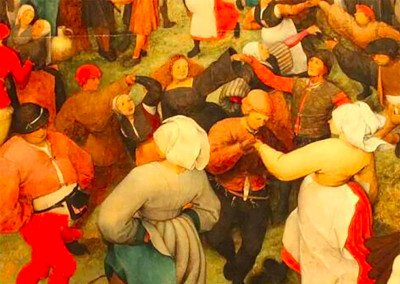
The Dancing Plague of 1518: When Hundreds Danced Until They Collapsed
Elizabeth Holmes promised to revolutionise healthcare with Theranos, a company once valued at $9 billion. But behind the story was a dangerous gap between claim and evidence. For students, the Theranos scandal is a powerful lesson in critical thinking, source evaluation and academic argument.

Elizabeth Holmes: The Billion-Dollar Lie That Fooled Silicon Valley
Elizabeth Holmes promised to revolutionise healthcare with Theranos, a company once valued at $9 billion. But behind the story was a dangerous gap between claim and evidence. For students, the Theranos scandal is a powerful lesson in critical thinking, source evaluation and academic argument.
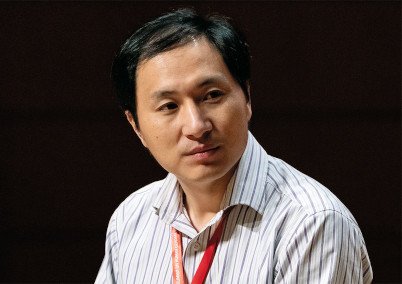
He Jiankui: The Scientist Who Edited Human Life
He Jiankui shocked the world by creating the first CRISPR-edited babies. This article explores the science, ethics, and global consequences of gene editing—and what it means for the future of humanity.
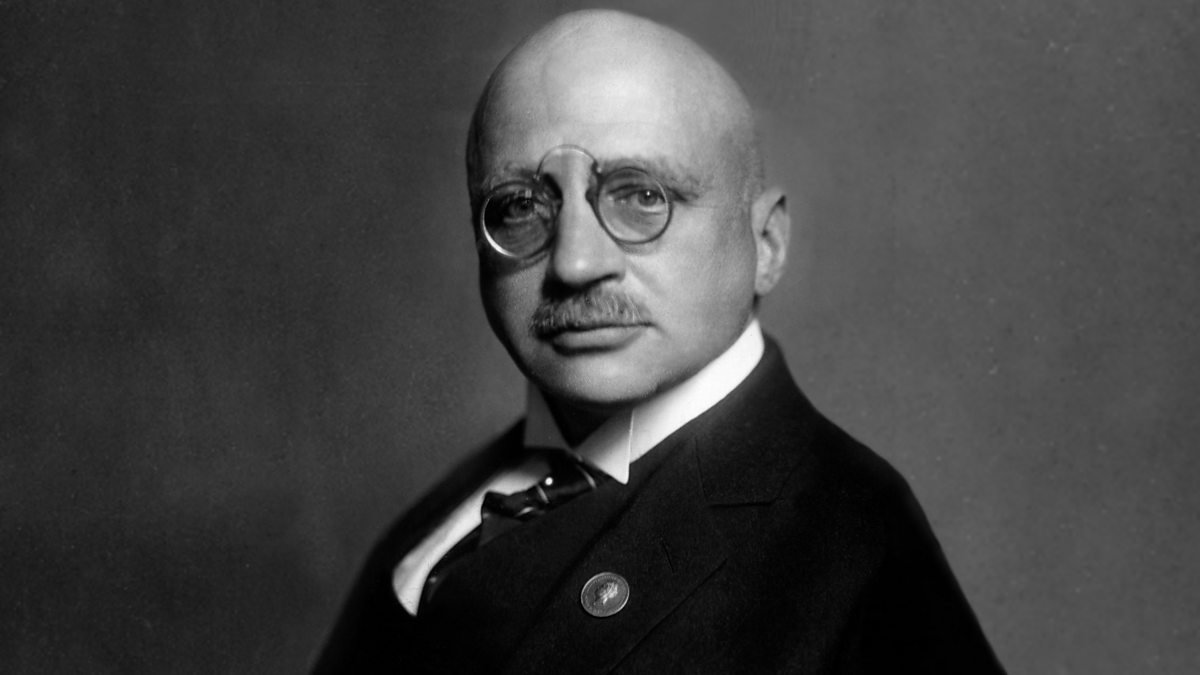
Fritz Haber: The Scientist Who Fed the World and Fueled War
Fritz Haber revolutionised agriculture with the Haber–Bosch process but also pioneered chemical warfare. This article explores the ethical contradictions of his legacy and what it means for modern science.
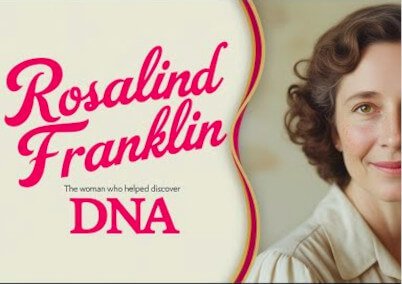
Patriarchy in Science: The Struggle of Rosalind Franklin
Rosalind Franklin’s work was central to the discovery of DNA, yet her recognition was denied. This article examines how patriarchy in science shapes credit, authority, and the narratives of scientific genius.